
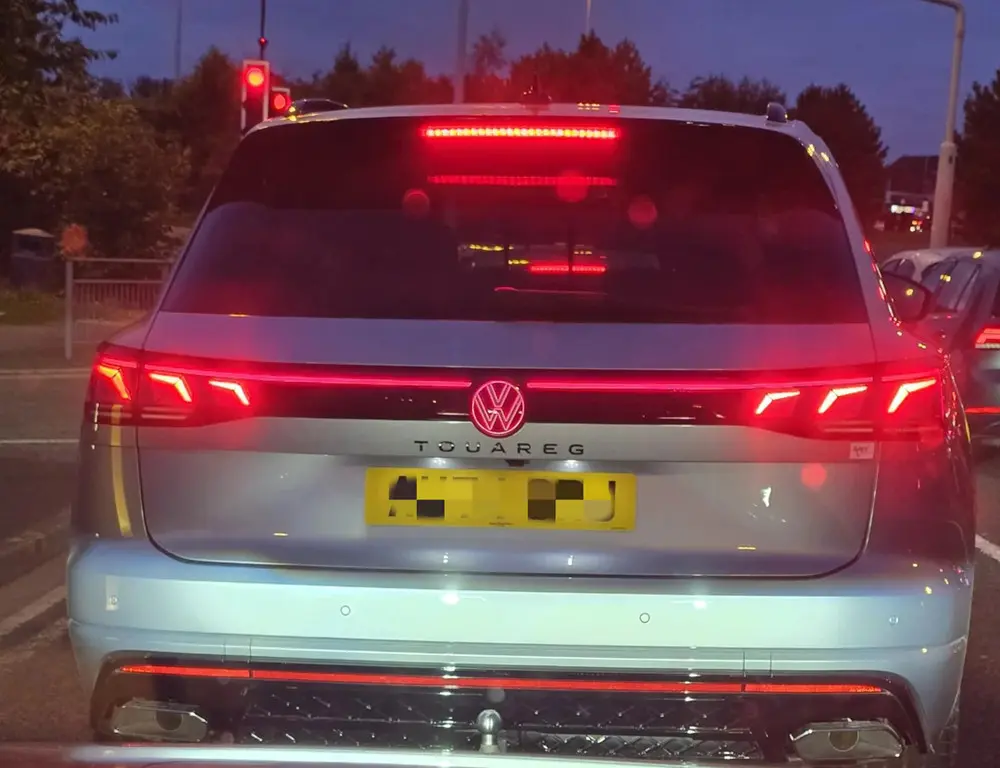
Once you install your brand-new VW LED emblem, reinstall the grille panel, shut the engine hood and start your vehicle, you may find the emblem does not light up at all. This can be an exasperating experience, yet before you conclude the product itself is defective, you should note that nearly all scenarios where the emblem cannot light up during initial inspection arise from six unique installation errors, all of which can be examined and fixed without professional technical know-how. Check each item listed below one after another, and you will very likely locate and solve the underlying problem.
Common Causes for VW LED Emblem Not Lighting Up
Connector Not Fully Seated — By Far the Most Common Cause
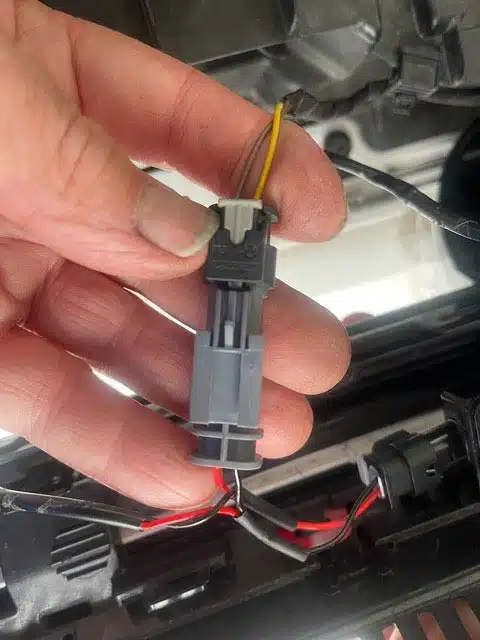
The primary factor leading a newly mounted LED emblem to stay unlit is a connector that visually appears locked yet fails to reach its full seated position. The assembly features two standard connection interfaces: the link joining the emblem wiring to the control unit, and the joint connecting the control unit’s harness to the vehicle’s electrical circuit, either the LED daytime running light plug or fuse tap fitting. Both connectors must be pressed down solidly until the built-in lock latch snaps fully into its secured position. A connector inserted roughly eighty percent of the way may look properly fitted and offer slight resistance when tugged, yet it fails to conduct adequate electric current to complete the lighting circuit.
Fix: Unplug every individual connector, carefully check the metal pins and matching sockets for bent terminals or accumulated foreign debris, then reattach each one with consistent firm pressure until you can both hear and feel the locking tab click into place. Avoid applying heavy force during fitting; if the plug slides in with difficulty, adjust its alignment first. These connectors feature molded guide ridges so they can only be inserted in one single matching orientation.
Wrong Fuse Position — No Power on the Chosen Circuit
If you completed installation using the fuse box wiring method, the second most probable fault is selecting a fuse terminal that carries no power once the ignition is switched to its running setting. Volkswagen fuse boxes hold multiple circuits with separate power activation rules: some activate power only with the ignition running, some turn on under ACC mode, some maintain constant power at all times regardless of ignition status, and others only energize under specific vehicle operating conditions. Tapping into a circuit lacking power during your test will directly result in an emblem that refuses to light up entirely.
Fix: Use a 12V test light or multimeter to verify the chosen fuse position shows 12V with the ignition switched to the run position. If it shows 0V, choose a different position. If it shows 12V permanently, the circuit is live but ignition-independent — the emblem will light up but will also remain on with the ignition off, causing battery drain. Move to a confirmed switched circuit. Our wiring guide includes notes on selecting the correct circuit type for your model.
Poor Ground Connection
Attaching the ground cable to painted metal stops the electrical circuit from working. The negative lead must touch raw bare metal—paint, primer or rusty bolt heads all block conductivity. Many engine bay bolts look like clean metal but have a thin unseen coating that blocks electric flow once wired up.
Fix: Find your grounding point, remove the bolt, clean the contact surface with sandpaper until you have bright bare metal, reconnect the ground wire under the bolt, and retighten. Alternatively, move the ground wire to a different bare metal point entirely — a battery negative terminal bolt or a known chassis ground location.
Blown Fuse on the Tapped Circuit
If you tap a circuit already running close to its power limit, the surge when the emblem turns on will blow the fuse. A broken fuse cuts all voltage supply, leaving the badge completely dark, just like a disconnected wire.
Fix: Take out the fuse you tapped and check the internal metal strip; a snapped strip means the fuse is blown. Swap it for a fuse of matching amp rating and pick another circuit with extra power capacity. This VW LED emblem only uses under 0.5 amps during regular use, so it demands minimal spare power—just ensure the original circuit isn’t already maxed out before adding the tap.
Reversed Polarity
Crossing positive and negative leads—running red wire to ground and black wire to positive—disables the whole LED driver circuit. LED chips and driver units rely on correct polarity to run. Reverse wiring rarely causes instant visible harm, yet the light will stay fully off when you test it.
Fix: Tell positive and negative wires apart on your wiring loom (red as positive, black as ground is standard; marks on the control box offer extra reference). Make sure positive wire links to positive terminal and negative wire to ground. Switch the two leads if misconnected and test again.
Wire Damaged During Routing
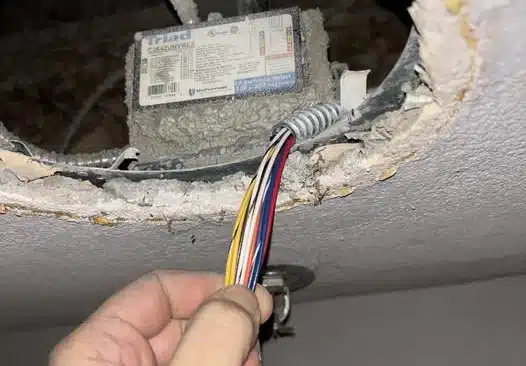
VW vehicles equipped with ACC radar have narrow gaps when threading emblem wiring past radar housings and through grille frames. Forcing the harness through tight spaces with heavy pressure scratches, pinches or slices outer insulation, forming an open circuit at the damaged spot.
Fix: Carefully pull the harness back through the routing path and inspect its full length for any cut, kink, abrasion, or flattened section. A damaged section can be repaired with a soldered connection and heat-shrink sleeve, or by requesting a replacement harness from our support team. If the damage is at the routing point past the ACC sensor, route the repaired harness more carefully with a gentle curve rather than a sharp angle at that point.
If you finish all six inspection steps and the glowing emblem still fails to light up, reach out to our support team with your VW model, manufacturing year and your wiring setup details, and we will assist you with targeted fault checking step by step.